No products in the cart.
Archive
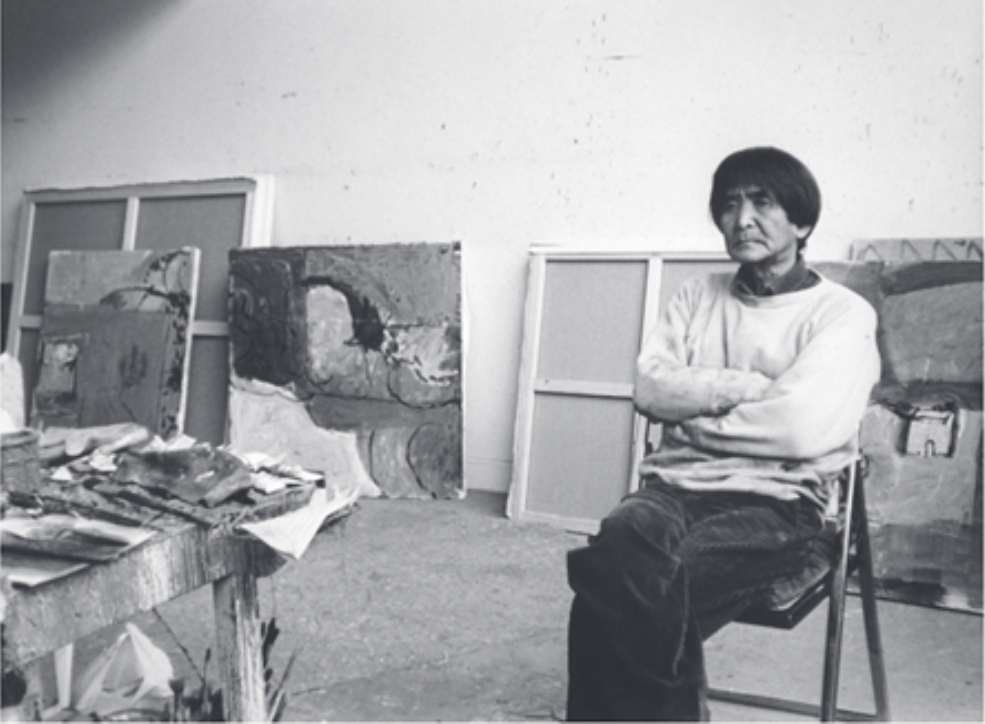
Chuta Kimura
Chuta Kimura (1917–1987) The Space of Dialogue: Between Japanese Tradition and School of Paris Chuta Kimura occupies a singular place within the Post-War School of Paris. Arrived in France in 1953, he developed a work at the confluence of two worlds, where the rigor of western oil painting meets the economy of means peculiar to the aesthetic tradition of Japan. Evolved in the Paris of the 1950s and 1960s, Kimura deviated from the debates between abstraction and figuration to focus on pure perception. His work does not seek to imitate nature, but to restore its vibration. Between Bonnard's legacy and the freedom of modern gesture, he transposes the landscapes of the Midi and the capital into a network of nerve lines and bright spots. This intersection between Japanese culture and French culture is not a subject, but a syntax. It is manifested by a masterful mastery of the white space and a calligraphy of the brush that allows the canvas to breathe. At Kimura, the landscape becomes a field of forces where light and matter merge, testifying to the encounter of these two legacies within the same gaze.