No products in the cart.
Archive
Serge Charchoune
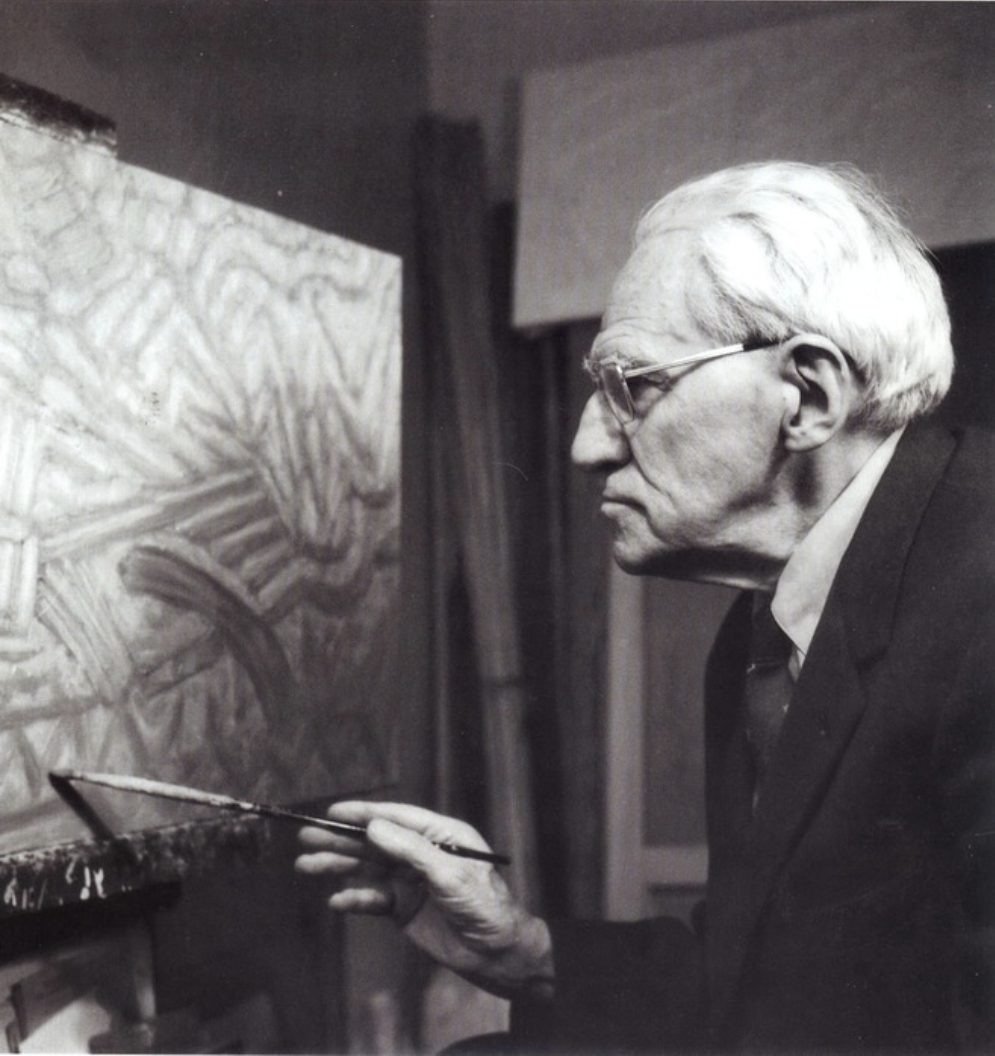
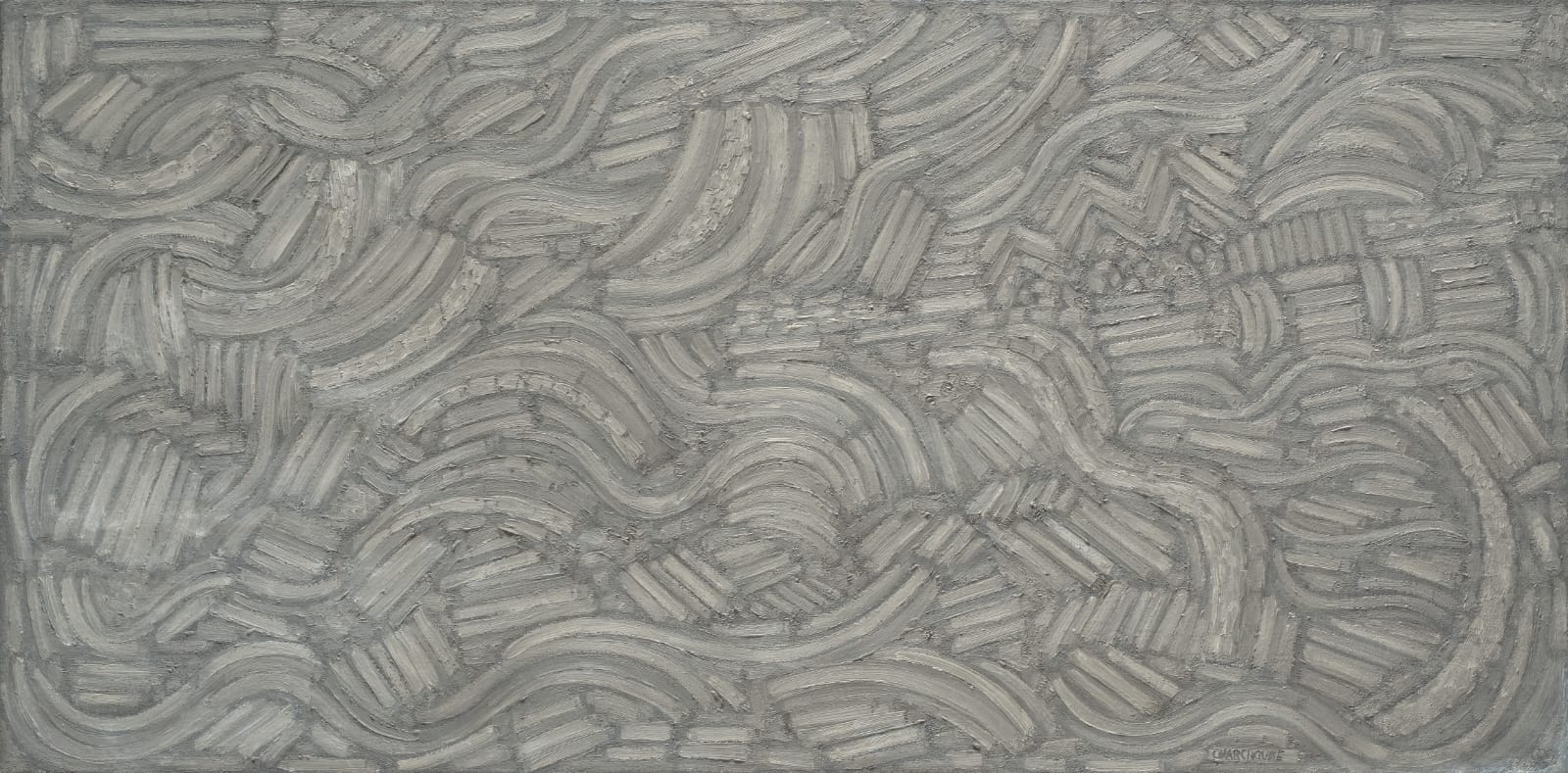
Serge Charchoune (1888–1975)A deeply independent artist, Serge Charchoune developed a personal pictorial language very early on, nourished by his Slavic nature, his radical taste for freedom and his constant refusal of any concession. Solitaire, secret and silent, he devotes himself entirely to his work, conceived as a true priesthood. Marked from childhood by the landscapes of the Volga, music and poetry, he establishes an organic link between nature, sound and painting. Unable to create with premeditation, he claims a « natural primitivism » which structures a work built in successive stages, but of great coherence. After the discovery of the avant-gardes in Moscow, Charchoune moved to Paris in 1912, attended the Cubist academy La Palette, then discovered pre-dadaism in Barcelona before joining the Dada movement in Montparnasse in 1919. A fleeting purist influence precedes the affirmation of his own path, notably through major series such as Elastic Landscapes and Ornamental Impressionism.From the 1930s onwards, a mystical dimension is imposed in his work, in a context of great precariousness. Installed in the Falguière city in 1942, he was exhibited after the war by the Raymond Creuze gallery, which accompanied his journey on a long-term basis.From 1956, music became the only support for his creation. The great works of the classical repertoire nourish an increasingly refined painting, made of camaïeux, monochromies and white variations, traversed by signs and undulations evoking the links between water and music. Neither a